
Also known as generational trauma, intergenerational trauma is the passing on of the effects of unresolved physical or emotional trauma from one generation to the next, causing ongoing psychological and emotional wounding and pain.
Often perpetuated through the adoption of coping mechanisms that were once adaptive for the survivor but are maladaptive for those who follow, the effects of the trauma turn into a repeating cycle that affects subsequent generations who did not experience the original event, shaping their mental health and influencing their behavioral and relational patterns as well.
The concept of intergenerational trauma originated during the 1960s when researchers studying children of Holocaust survivors noted that in some cases, the children of survivors seemed more visibly impacted by it than their parents, even though they had not actually experienced the horrific events themselves.
Since then, further studies on why and how the effects of traumatic wounds may be passed down to future generations have been conducted on whole groups of people affected by devastating events such as war, genocide, slavery, racism, famine, and natural disasters, as well as individuals who were victims of abuse or neglect.
Findings suggest that experiencing a traumatic event can affect a person’s beliefs, attitudes, behavior, and relationship patterns in ways that shape his or her interactions with future generations, which, in turn, tend to affect their behaviors, beliefs, attitudes, and relationship patterns as well, thus continuing to perpetuate the cycle.
How the Effects of Trauma Can Be Passed Down from Generation to Generation
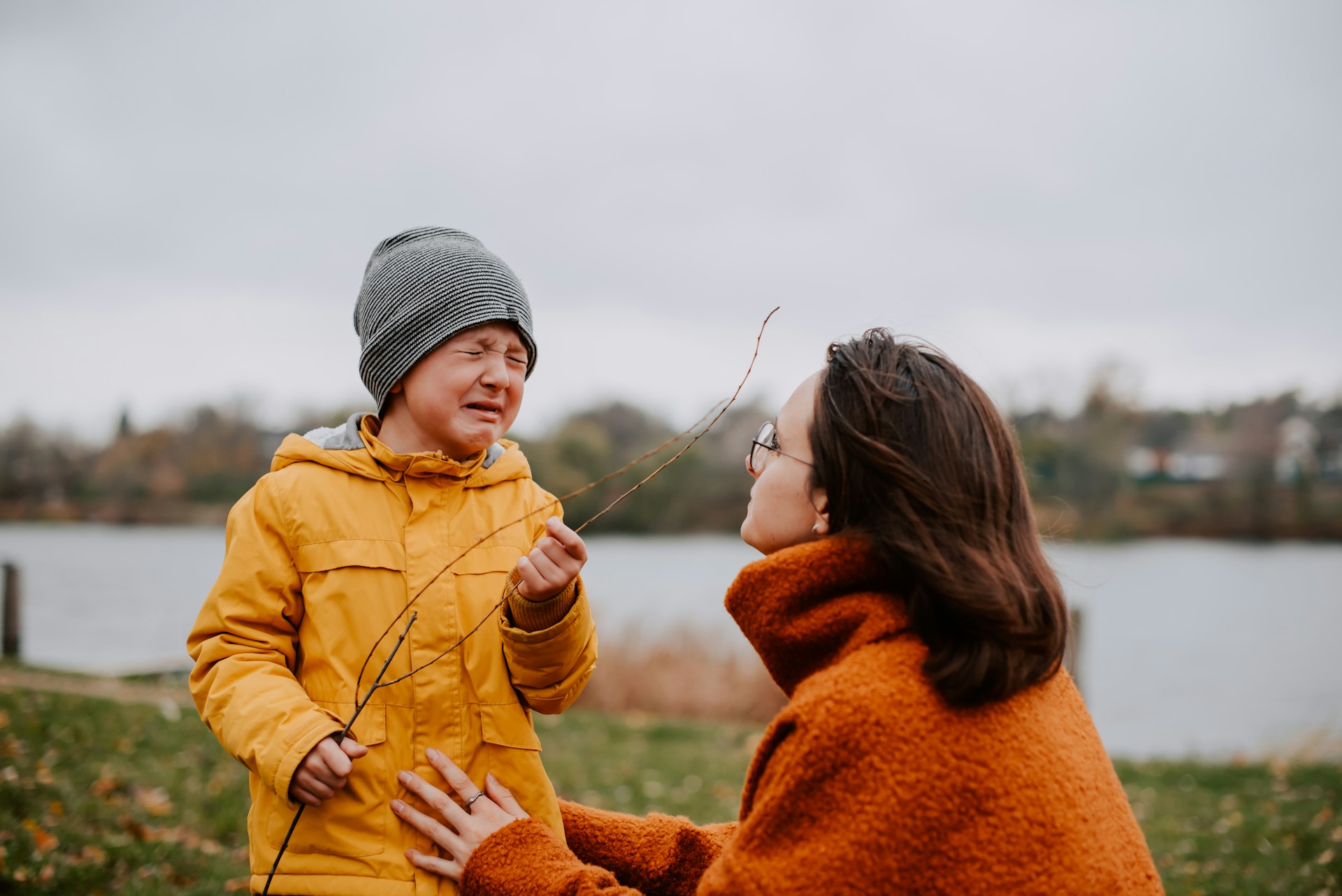
 Children learn resilience or vulnerability from their parents. Their lives are influenced by the past events of their parents’ lives, and in the case of a parent who is suffering from the effects of a traumatic wound, they will tend to suffer the consequences of it as well, even though it was not originally their own.
The following are some examples of how this happens.
Symptoms of trauma in a parent or caregiver Symptoms of trauma in a parent or primary caregiver, such as anxiety, emotional instability or detachment, irrational fears, a short fuse, or substance use, may be frightening and confusing to the child, disrupting his or her sense of safety, predictability, and emotional connection.
Influence of trauma on parenting style People who grow up in dangerous environments, or who witness or experience traumatic events during childhood, such as violence or abuse, may develop fear-based coping mechanisms that affect the way they care for their children.
They may, for instance, have diminished attachment skills, difficulty engaging in nurturing ways or empathizing with their child’s emotions, lack patience, and communicate messages and lessons to him or her that are rooted in stress and anxiety.
Messages transmitted from one generation to another Parents who have experienced intense trauma can pass down fear-based survival messages to their children – often subconsciously – through being overprotective and controlling, for instance, by limiting their child’s autonomy and fostering symptoms of wariness and anxiety.
Passing down of negative beliefs and patterns of behavior Children observe and imitate their parents’ behavior, often picking up unhealthy coping mechanisms and behavior patterns from them that they then pass on to their own children. For instance, a parent who was abused as a child may abuse his or her own children, who, in turn, do the same to their children.
Secondhand trauma Secondhand trauma is trauma that is experienced indirectly through hearing about it from a family member who experienced it, and can create a fear in the child that those events might happen again, leading to symptoms such as anxiety and hypervigilance.
Parental worldview Parental worldviews created by traumatic experiences, such as the world being a dangerous or threatening place, can be passed down from generation to generation.
Children naturally mirror their parents’ actions and adopt values seen in the home. Studies have shown that even young children can detect and react to a parent’s anxiety and wariness, for instance, even if the parent doesn’t talk to them about their traumatic experiences.
Biological changes Epigenetic studies* indicate that traumatic experiences can cause biological changes that affect the genetics of future generations. Not by altering the actual DNA molecules themselves, but by affecting which genes become active or inactive, and altering the way they express themselves and cause various physiological responses and behaviors.
Signs of Intergenerational Trauma
Intergenerational trauma may show up differently from family to family. Not everyone in a given family is necessarily affected the same way. Some common symptoms that may be passed down include anxiety, depression, toxic stress, sleep issues, difficulty connecting with others, PTSD, hypervigilance, trouble trusting people or forming intimate relationships, lack of self-worth, and substance use.
In the case of intergenerational trauma affecting an entire group, symptoms can also include dysfunctional attitudes or biases, fear of the trauma happening again, overidentifying with their parents or grandparents who experienced the trauma, and/or a disconnect from their culture or origins.
Preventing Intergenerational Trauma
Some steps a parent can take to reduce how much the effects of trauma get passed down include connecting children with their history to reduce shame or confusion and creating a safe, supportive environment in the home where children feel comfortable openly expressing their feelings and asking questions.
Halting the Intergenerational Transfer of Trauma
Halting the transfer of intergenerational trauma is not just about healing the symptoms of the trauma created in the person affected by it. It’s about identifying maladaptive patterns and attitudes that may be keeping your family stuck, addressing and processing trapped emotions, and transforming the family narrative by consciously choosing to respond differently than your predecessors did.
The first step is to become aware of and acknowledge the presence of the traumatic wound, recognize that it remains unhealed, and identify its source, which can be facilitated through shared narratives and open communication. Halting its transfer is a process that requires commitment, intentional action, and more often than not, the help of a trained mental health professional.
Some practical steps you can incorporate into your daily life that may also be helpful include journaling and self-reflection to help you become more aware of your triggers and responses, establishing healthy boundaries to protect you against repeating harmful cycles, building a support network to provide emotional support and accountability, and prioritizing self-care.
Treating Intergenerational Trauma
 Intergenerational trauma often goes untreated as a result of people not realizing that what they are going through is a result of past unhealed trauma that has been passed down through the generations. Educating yourself about your family history and what happened to previous generations can help you make sense of your own experiences.
The good news is that help is available, and the intergenerational trauma cycle can be broken.
Individual therapy, for instance, provides a safe space to explore your struggles, uncover and address the roots of the trauma, gain an understanding of how it is affecting you and your family, work through the emotional pain associated with your experience, and learn healthier ways of thinking, behaving, and coping.
Family therapy provides an opportunity for family members to learn how to navigate challenges and express themselves more healthily, sets a positive example of how a healthy family thinks and behaves, and can help assess and resolve patterns in the family that may be perpetuating the trauma by facilitating conversations that encourage parents and grandparents to tell their stories so the children can make sense of their family’s relational dynamics.
Support groups can also be helpful by providing a safe environment where you can connect with others who are also healing from trauma and where you can share your experiences, as well as learn from and support each other.
If you have questions or would like to set up a risk-free appointment to meet with one of the faith-based counselors at our location, please give us a call.
Caitlin Geng. “Examples and effects of intergenerational trauma.” Medical News Today. May 9, 2025. medicalnewstoday.com/articles/intergenerational-trauma.
*Epigenetics is the study of how our environment influences our genes by altering the chemicals attached to them and causing changes that affect the way they work.
Photos:
“Ripple Effects”, Courtesy of Linus Nylund, Unsplash.com, CC0 License; “Ripples”, Courtesy of Charlotte Collins, Unsplash.com, CC0 License
-
 Kristin Dean: Author
No matter what you’re going through, there is hope. With over 20 years of experience, I offer Christian counseling for teens and adult individuals facing a variety of challenges, including trauma, grief, depression, anxiety, relationship issues, and...
-
 Kate Motaung: CuratorRecent Posts
DISCLAIMER: THIS ARTICLE DOES NOT PROVIDE MEDICAL ADVICE
Articles are intended for informational purposes only and do not constitute medical advice; the content is not intended to be a substitute for professional medical advice, diagnosis, or treatment. All opinions expressed by authors and quoted sources are their own and do not necessarily reflect the opinions of the editors, publishers or editorial boards of Stone Oak Christian Counseling. This website does not recommend or endorse any specific tests, physicians, products, procedures, opinions, or other information that may be mentioned on the Site. Reliance on any information provided by this website is solely at your own risk.