

Hi there! I want to start this article by first acknowledging your willingness to learn more about sexual addiction. Whether you are trying to learn about the topic for educational purposes, want to support a loved one, or learn about your own struggles, I commend you for taking the extra step to research this topic and learn more about sexual addictions.
According to the Cleveland Clinic (2022), sex addiction is an overindulgence of sexual thoughts, desires, urges, or behaviors that cannot be controlled and cause distress and/or harm to the individual’s relationships, finances, and other aspects of the individual’s life. It can also be referred to as “hypersexuality” or “compulsive sexual behaviors.”
No temptation has overtaken you except what is common to mankind. And God is faithful; he will not let you be tempted beyond what you can bear. But when you are tempted, he will also provide a way out so that you can endure it. – 1 Corinthians 10:13, NIV
There is a significant difference between a person who is cheating because they are being dishonest, versus a person who is struggling with a sex addiction. At times, it could be hard to know the difference. Below, I will discuss the common myths of sexual addiction and some of the outliers.
If the individual does not fall within one or more of these parameters, then more than likely they are not struggling with a sexual addiction. They may also need to seek a professional, such as a therapist, to help decipher where their struggle lies.
Let’s quickly debunk these myths
 It is important to expose these myths because these beliefs often hold a person back from understanding the way sexual addiction works. It holds a person in a stuck zone because the myths are preventing them from understanding themselves. These misunderstandings delay a person from seeking treatment.
They are not just lustful people making poor choices. They are struggling with compulsions just like a person who keeps locking the door at night because they need to ensure they are safe before they go to bed. For true recovery, an individual must recognize their addiction as being “real.” This way, they can seek the proper treatment that is best for them.
Myth #1: Sexual addictions are not real
Truth: Sex addiction commonly becomes an issue in romantic relationships. People mistake a person’s inability to control their compulsive behaviors as a lack of care for them, or as if the individual is purposefully not prioritizing their relationship. While this can play a role, sexual addicts are suffering from a disease that continues to spread if left untreated.
Myth #2: It only affects men
Truth: Women struggle with sexual addiction, too. Unfortunately, the demoralization a woman faces for struggling with sexual addictions often stunts her growth. She is so busy trying not to fall into society’s judgmental tendencies for a “promiscuous woman” that she avoids seeking help.
Though it is common for both men and women to struggle with sexual addictions, women face the scrutiny of being called “loose, a whore/ho, laughed at, talked down about, immoral, fast, sluts, easy, nasty, etc.” Because of this, women tend to suffer in silence, whereas men tend to think it is normal because “this is what men do.”
Myth #3: It’s just an excuse for cheating
 Truth: I know it’s hard to tell the difference between when sexual addiction is used as an excuse for cheating, and it is distasteful and awful for those who misuse this. However, it is not fair to categorize people who struggle with this addiction as “giving excuses to cheat.” If a person is truly struggling with sexual addiction, they often feel intense guilt or shame.
Myth # 4: You just need more willpower
Truth: While willpower plays a role in the process of recovery, other factors inhibit an individual from breaking the cycle of addiction. Like any other addiction, healing requires changes in an individual’s brain chemistry. This involves resolving trauma through support groups and/or therapy and sometimes requires medication to help.
Myth #5: It’s Only About Sex
Truth: Just as I mentioned above, sexual addiction (like other addictions) is often derived from painful, trauma-filled experiences. It can derive from mental health issues such as depression, anxiety, OCD, etc. Sex addiction is frequently used as a coping mechanism because orgasms release an abundance of feel-good chemicals such as oxytocin, dopamine, serotonin, endorphins, and prolactin.
These chemicals create the same feelings that drugs create in our body: pleasure, bonding, relaxation, and emotional connection, but in a natural way. This is why experts suggest that sexual addiction is one of the hardest addictions to overcome.
Myth #6: It Means Having Too Much Sex
Truth: Though frequency can sometimes be a concern, this is not how compulsive sexual behaviors are categorized. For some, too much sex can be once per day, while another person may think once a day is normal. Sexual Compulsive Behaviors are categorized by lack of control, cravings or urges, and the continuation of harmful behaviors regardless of the negative consequences.
The Outliers of Sex Addiction
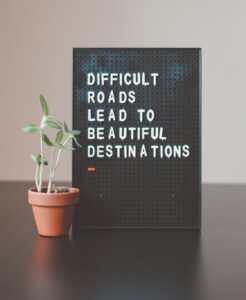 When you look at addictions, there are and will always be color outside the lines. In fact, any disorder has outliers or people who do not fit in those typical narratives. We must acknowledge some of these outliers to break down the stereotypes surrounding addiction. Understanding that there is not a cookie cutter approach to sexual addiction will help the professional who is treating the individual create a more individualized plan that is suitable for them.
By doing this, we also highlight the silent struggles. Since we often cannot see what people are struggling with because the struggle is within or done in privacy, we must identify it and speak to it. If we do not acknowledge it, the struggles will remain hidden and unaddressed.
We can strengthen prevention not only through acknowledgement but also through education. Outliers are not subjected to one type of demographic but a variety. Learning how these outliers affect people of different backgrounds helps with inclusivity.
This is particularly important because sometimes we Christians can intentionally or unintentionally alienate people who do not fit the “Christian” standards. Encouraging inclusivity creates safe places for every single person regardless of skin color, religion, ethnicity, socioeconomic status, gender, or sexuality. We must remember that God’s love is not conditional!
Dear friends, let us love one another, for love comes from God. Everyone who loves has been born of God and knows God. Whoever does not love does not know God, because God is love. – 1 John 4:7-8, NIV
Common Outliers of Sex Addiction
Neurochemical Imbalances
When you have imbalances in your neurochemistry, you may unconsciously seek ways to balance them out. The neurochemical releases during sex are Dopamine, Serotonin, Oxytocin, endorphins, and prolactin.
Dopamine is the driver of the brain’s reward and motivation system. If you have unusually high or low dopamine sensitivity, your brain will send messages to your body to chase extreme stimulation. If you are struggling to feel pleasure, compulsive behavior may help fulfill that dopamine absence.
Serotonin is the mood and impulse control regulator. When serotonin is low, this will lead to high anxiety, impulsive behaviors, or having obsessive sexual thoughts. This often results in fantasies and issues with overindulgence in pornography.
Oxytocin fosters bonding or trust. An imbalance in oxytocin can cause the compulsive behaviors of seeking sex for attachment.
The endorphin releases are for pain relief and euphoric feelings. The outlier of this can look like a way to serve as self-medication. You medicate yourself with sex to mask the emotional pain you are avoiding from unresolved trauma.
Prolactin helps with sexual satiety and recovery. If you are having some difficulties here, you may be experiencing shorter refractory periods which makes you want to keep going or increase repetition.
Unresolved Trauma
 Unresolved trauma is a more popular outlier and typically the most understood outlier of sexual addictions. People who have been through sexual abuse (childhood or adulthood) may struggle with sex addictions and often struggle with shame, dissociation, or even confusing sex with safety or belonging. Individuals who have struggled with attachment often deriving from neglect or abandonment seem to use sex as a substitution for affection, validation, and/or belonging.
Complex PTSD survivors use sex to help numb flashbacks, anxiety, and emotional pain. Domestic violence survivors tend to fall into this category as well. They may compulsively seek out sex or consciously avoid sex to manage unresolved fear.
Lastly, religious or spiritual trauma comes from people who are raised in environments of sexual shame or rigid purity culture. This individual will use sex to rebel, but it is covered in guilt, shame, and the feeling of not being worthy. Again, calling out Christians and how we must remember the importance of not judging people.
“Do not judge, or you too will be judged…Why do you look at the speck of sawdust in your brother’s eye and pay no attention to the plank in your own eye?” – Matthew 7:1-5, NIV
There is a plethora of other outliers of sexual addictions, such as co-occurring mental health disorders, early exposure to sexual content, low self-esteem, relationship difficulties, genetic predispositions, etc. Which one are you or your loved one struggling with?
Whether it is you or your loved one, dealing with sexual addiction is difficult to navigate. Let’s talk about it in my judgment-free zone, where you will feel understood, seen, and heard for the person you are and the person you strive to be.
References:
Cleveland Clinic. (2022, March 22). Sex addiction (hypersexuality and compulsive sexual behavior). Cleveland Clinic. https://my.clevelandclinic.org/health/diseases/22690-sex-addiction-hypersexuality-and-compulsive-sexual-behavior
Photos:
“Woman With Tattoo”, Courtesy of Curated Lifestyle, Unsplash.com, Unsplash+ License; “Self Hug”, Courtesy of Pablo Merchán Montes, Unsplash.com, Unsplash+ License; “Difficult Roads”, Courtesy of Hello I’m Nik, Unsplash.com, CC0 License; “Down”, Courtesy of Daniel Martinez, Unsplash.com, Unsplash+ License
-
 Marcia Deah: Author
When you come into my counseling office, you enter a safe haven. You will enter a judgment-free zone where you are encouraged to be yourself, talk about whatever is on your mind, and most of all, heal. With understanding and care for your overall wel...
Recent Posts
-
 Kate Motaung: Curator
Kate Motaung is the Senior Writer, Editor, and Content Manager for a multi-state company. She is the author of several books including Letters to Grief, 101 Prayers for Comfort in Difficult Times, and A Place to Land: A Story of Longing and Belonging...
DISCLAIMER: THIS ARTICLE DOES NOT PROVIDE MEDICAL ADVICE
Articles are intended for informational purposes only and do not constitute medical advice; the content is not intended to be a substitute for professional medical advice, diagnosis, or treatment. All opinions expressed by authors and quoted sources are their own and do not necessarily reflect the opinions of the editors, publishers or editorial boards of Stone Oak Christian Counseling. This website does not recommend or endorse any specific tests, physicians, products, procedures, opinions, or other information that may be mentioned on the Site. Reliance on any information provided by this website is solely at your own risk.